

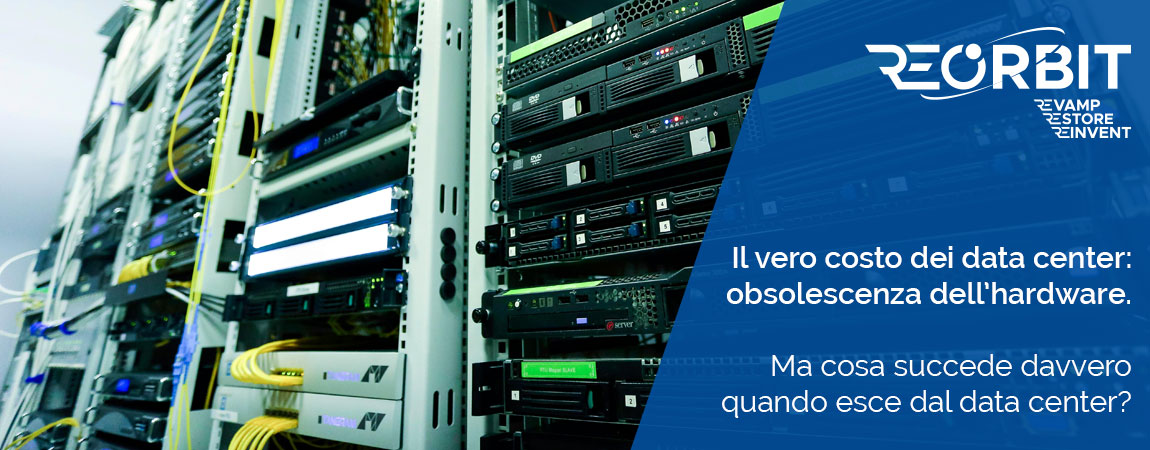
In recent years, the data center sector has experienced extraordinary growth, driven by the expansion of the cloud, the explosion of data, and new AI-based applications.
When discussing digital infrastructure, attention often focuses on issues such as energy consumption, cooling system efficiency, or the sustainability of facilities.
However, there is a less visible yet equally important factor: the IT hardware lifecycle.
Servers, storage systems, and network devices are being upgraded more frequently. In many cases, replacement occurs every three to five years, both to maintain high performance and to comply with manufacturers’ support cycles.
This process generates large quantities of retired IT equipment each year.
Beyond logistical aspects, it is necessary to ensure certified data erasure, asset traceability, and compliance with environmental regulations.
If handled without a structured strategy, this phase can become a cost: disposal fees, asset value loss, and increased electronic waste.
A circular economy approach applied to IT, however, offers a more sustainable and efficient alternative.
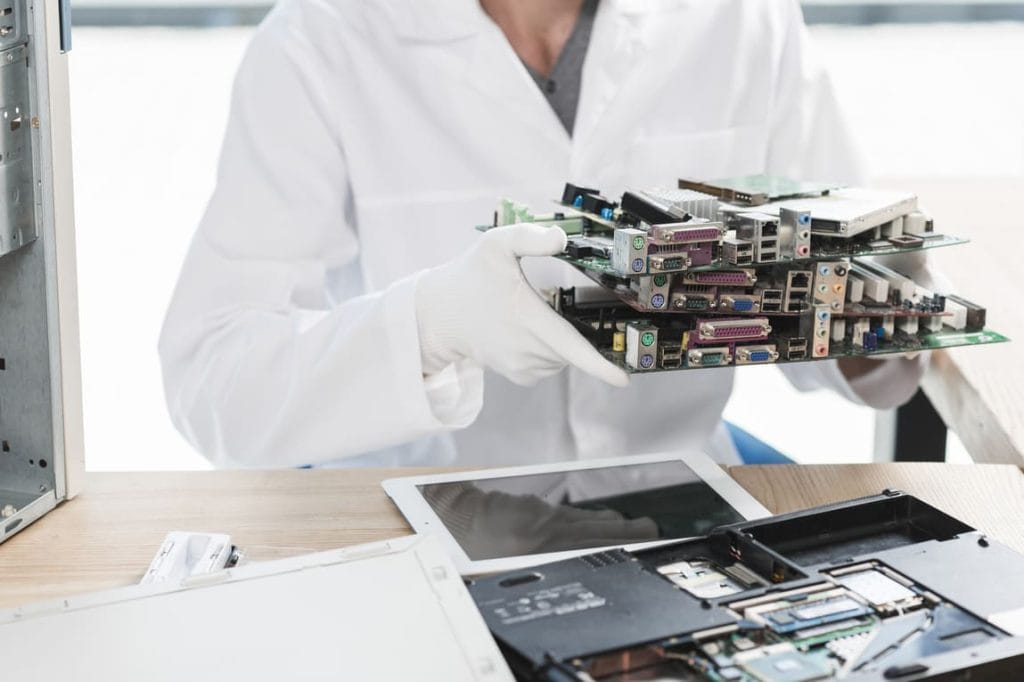
Many devices can be refurbished, resold in the secondary market, or repurposed in other contexts, extending their lifecycle and recovering part of their economic value.
In this scenario, specialized companies like ReOrbit support organizations and IT operators in the complete management of the technology asset lifecycle. Through services including equipment collection, certified data erasure, hardware refurbishing, and remarketing, it is possible to manage IT decommissioning in a structured way.
Advanced IT asset lifecycle management allows organizations to:
- Reduce electronic waste
- Optimize the management of retired equipment
- Recover economic value from assets
- Strengthen corporate sustainability strategies
In a context where data centers are increasingly central to the digital economy, it becomes essential to consider not only how hardware is used, but also what happens when it leaves the data center.
It is precisely at this stage that a structured approach to IT asset management, supported by specialized partners like ReOrbit, can transform an operational challenge into an economic and environmental opportunity.